Ask a Moorings homeowner how their neighborhood's market is doing and you'll get two contradictory answers depending on which number they read last. Price per square foot is up nearly 20 percent over the past year. The median sale price is down over the same stretch. Both numbers are correct. Neither one tells you what it actually costs to own here.
That gap is worth sitting with before you tour a single house, because the real cost of a Moorings address lives almost entirely outside the listing sheet, in a homeowners association fee schedule, a rental rule that punishes the exact buyers who plan to offset carrying costs with seasonal income, and an insurance market that's mid-reset for anyone with a waterfront policy written before this year.
Why the price-per-square-foot number and the median price disagree
As of July 2026, the median sale price per square foot in the Moorings stands at $997, up 19.7 percent year over year. Over that same year, the median sale price of a Moorings home actually fell 5.4 percent to $1.1 million. If those two facts sound like they cancel each other out, that's because most market summaries present them as if they should.
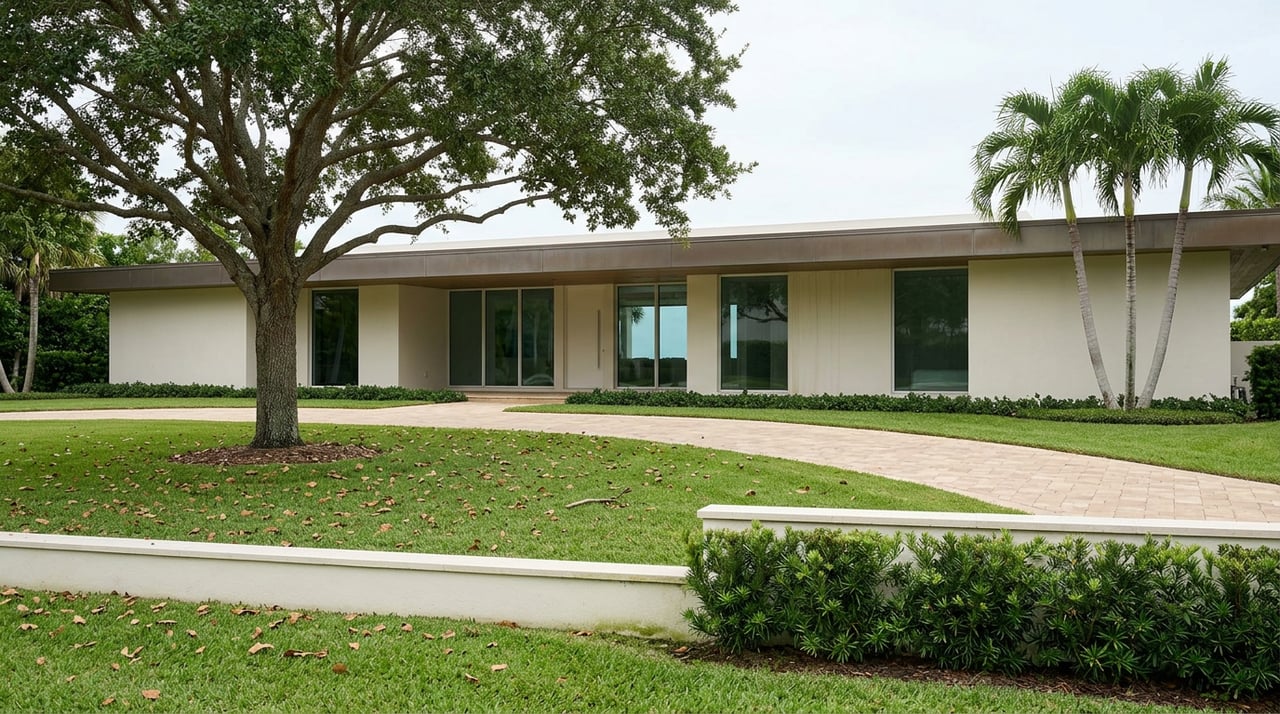
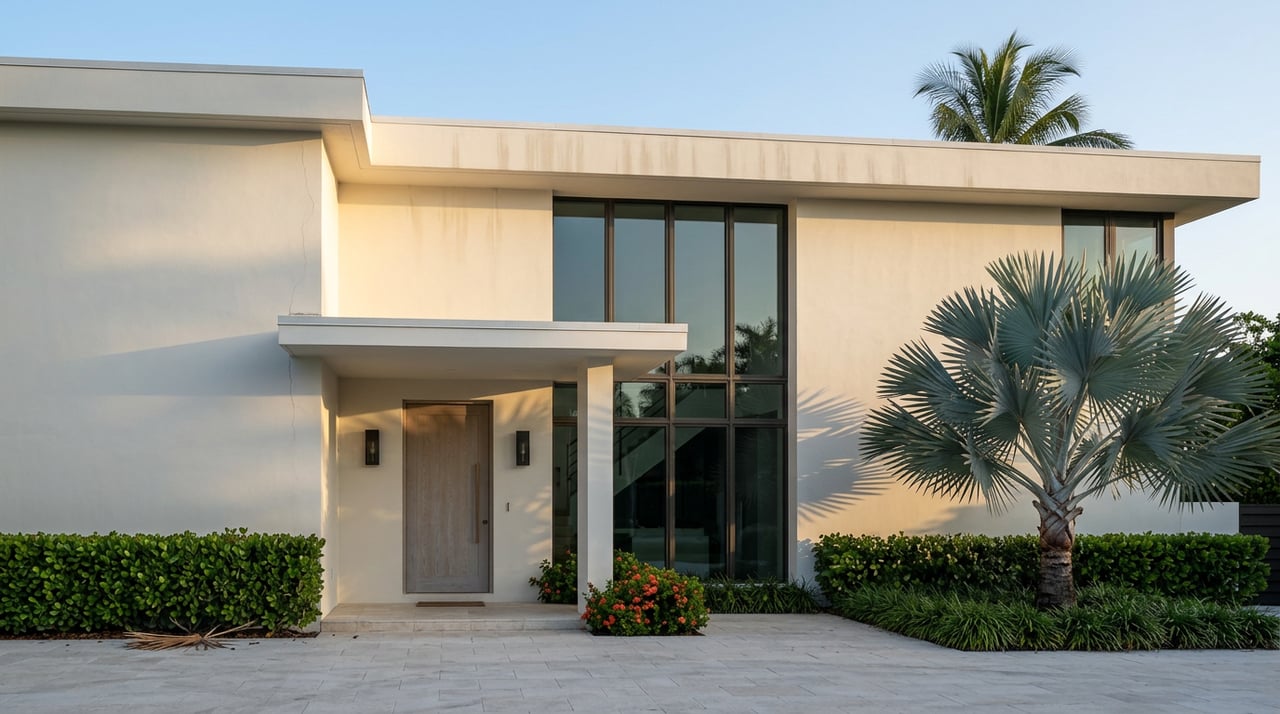
They don't, once you know what's selling. The Moorings began construction in the late 1950s and early 1960s, and that original housing stock is now in the middle of a long teardown-and-rebuild cycle. New construction on smaller original lots produces homes with tighter footprints but far richer finish levels and premium waterfront positioning, which pushes the per-square-foot number up even as the total sale price for any individual transaction can land lower than last year's mix of larger, older homes. A buyer reading only the median price sees a softening market. A buyer reading only the price-per-square-foot sees a neighborhood getting more expensive by the day. Both readings miss the actual mechanism, which is that the Moorings isn't one market right now. It's an older-home market and a new-construction market running side by side, and which one you're shopping in determines which statistic is telling you the truth.
The fee structure that isn't optional in practice
The Moorings Property Owners Association describes itself as voluntary, and technically it is. In practice, MPOA membership is the only route to Moorings Beach Park, the private stretch of shoreline that's a core part of what buyers are paying for when they choose this neighborhood over a comparable one without deeded beach access.
As of 2026, a first-time property owner pays a $1,000 one-time new-member fee plus $200 in annual dues. That's a modest number next to a seven-figure purchase price, and most buyers absorb it without a second thought. The part that catches people off guard sits in the fine print around what happens if you don't plan to live in the house year-round.
The rental rule that changes the math for second-home buyers
If your plan for a Moorings purchase includes renting the property out for part of the year to help carry the cost, read the MPOA's rental terms before you write an offer. Owners who lease their property pay a $500 fee per lease, are limited to three leases per calendar year, and must meet a 90-day minimum lease term. None of that is unusual for a coastal Florida association. What is worth pausing on is the next part: while the home is rented, the owner gives up their own Beach Park access for the duration of the lease.
That's a real tradeoff, not a technicality. A buyer weighing the Moorings against a similarly priced Naples property without that structure needs to run the numbers on what seasonal rental income is actually worth here, since it comes bundled with losing the amenity that's a meaningful part of the neighborhood's appeal in the first place. For a full-time owner who never plans to lease, none of this matters. For an investor or a snowbird counting on a few months of rental income, it's the kind of detail that belongs in the offer strategy conversation, not discovered after closing.
The insurance reset that's happening under every waterfront policy right now
Flood insurance in Florida has operated for years under a grandfathering system that let some older waterfront policies keep pricing tied to a prior flood zone designation rather than the property's current risk profile. That grandfathered treatment is being phased out under FEMA's Risk Rating 2.0 methodology, which prices policies against the specific structure rather than a broad zone designation. Two homes on the same Moorings canal, one recently rebuilt and elevated and one original 1960s construction at grade, can now produce meaningfully different insurance quotes even with an identical flood zone label on the map.
This matters more in the Moorings than in most Naples neighborhoods because the housing stock here spans that exact divide. A buyer comparing an original ranch-style home against a new-construction rebuild two doors down isn't just comparing finish levels and square footage. They're comparing two different insurance underwriting profiles, and the gap between them can run into thousands of dollars a year before a single storm ever makes landfall. Getting a specific insurance quote on the actual structure, not a neighborhood average, is no longer optional due diligence. It's the only way to know what the house really costs to hold.
The other line item most buyers never ask about
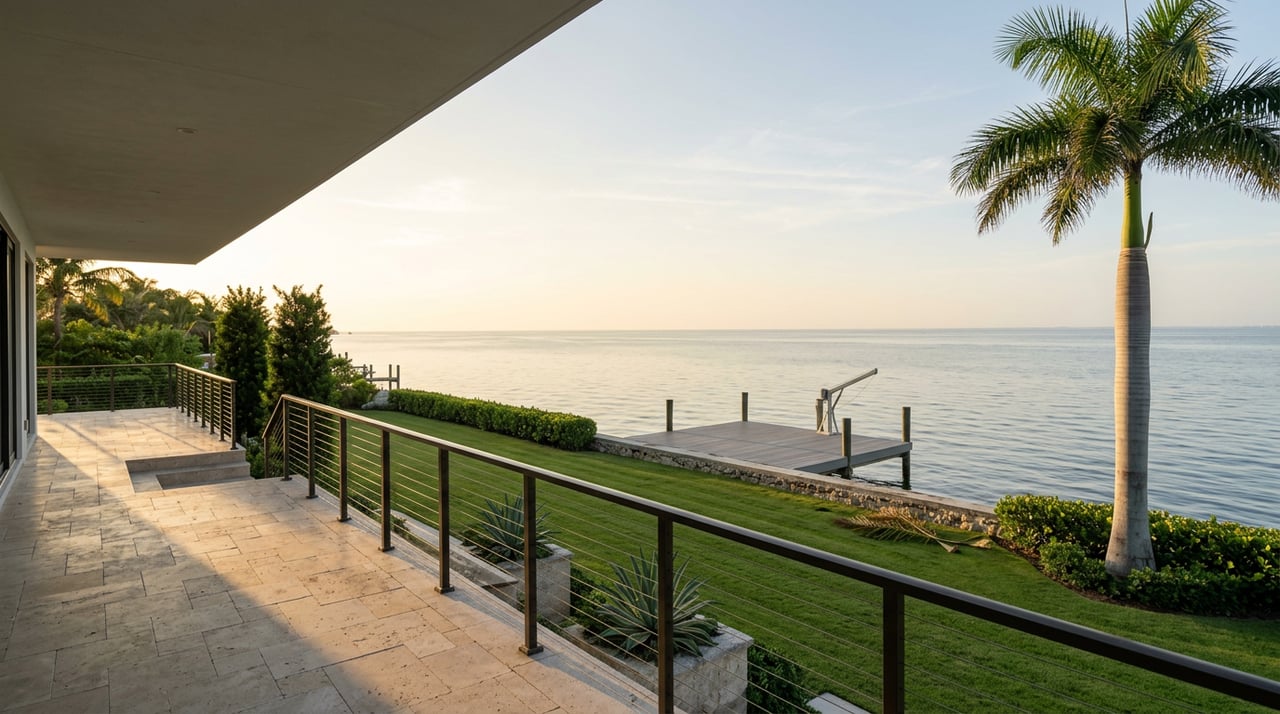
The Moorings sits inside the Moorings Bay Special Taxing District, a City of Naples mechanism established in 1987 to fund water quality monitoring and maintenance dredging in the canals and waterways that include Doctors Pass, the neighborhood's only outlet to the Gulf. It's a small, largely invisible assessment for most owners, but it's worth understanding as part of the same pattern: the sticker price on a Moorings listing represents the entry cost, not the full carrying cost, and the difference is made up of association dues, taxing district assessments, and insurance underwriting that varies house to house rather than neighborhood-wide.
Here's what that stack looks like when you put the pieces next to each other:
| Cost Category | What It Actually Is |
|---|---|
| MPOA new-member fee | $1,000 one-time, first-time owners |
| MPOA annual dues | $200 per year |
| MPOA lease fee | $500 per lease, 90-day minimum term, max 3 leases/year |
| Beach Park access while renting | Forfeited by owner during the lease term |
| Moorings Bay Special Taxing District | City-administered assessment funding canal and Doctors Pass dredging |
| Waterfront insurance | Priced per structure under Risk Rating 2.0, not by zone alone |
None of these numbers will show up in a portal search filtered by price and bedroom count. All of them shape whether a given house is the right fit for how you actually plan to use it.
What this means if you're comparing the Moorings against other Naples neighborhoods
The Moorings earns its price premium honestly. A central location, deepwater canal access to the Gulf through Doctors Pass, and a resident-only beach park are real, durable advantages that show up in demand every buying season. The mistake is treating the median price or the price-per-square-foot figure as the whole story when neither one accounts for how the home is going to be used.
A full-time owner who values the beach park and has no plans to rent will find the MPOA structure straightforward and worth every dollar. A buyer trying to make a seasonal rental income cover part of the note needs to model the lease fees, the 90-day minimum, and the lost beach access into the return before assuming last year's asking price supports this year's plan. And anyone comparing an older Moorings home against new construction should treat the insurance quote, not the flood zone label, as the number that actually decides affordability.
A few questions worth asking before you tour
Is MPOA membership required to buy in the Moorings? No. It's voluntary, but it's the only way to access Moorings Beach Park, which is a core part of the neighborhood's value proposition for most buyers.
Can I offset a Moorings purchase with short-term rental income? Not easily. The MPOA's 90-day minimum lease term rules out short-term or vacation rentals, and leasing the property means giving up your own beach access for that period.
Does every waterfront home in the Moorings carry the same flood insurance cost? No. Under current FEMA pricing methodology, insurance is underwritten against the specific structure, its elevation, and its rebuild history, which means two homes with the same flood zone label can carry very different premiums.
If you're weighing a Moorings purchase against another Naples waterfront neighborhood and want the real cost comparison, not just the headline price, Kevin L Fuller can walk through the specific fee structures, insurance profiles, and current inventory that fit how you actually plan to live in the home. Request a custom home valuation to start with numbers built around your situation, not the neighborhood average.