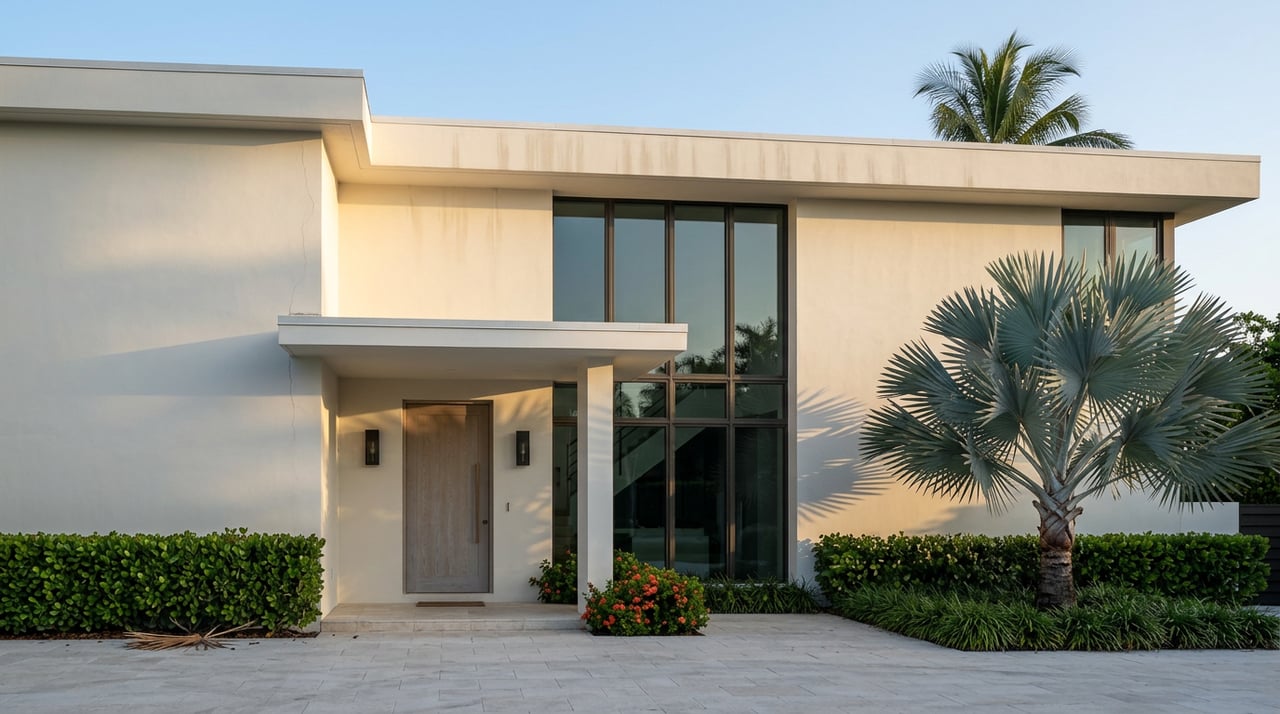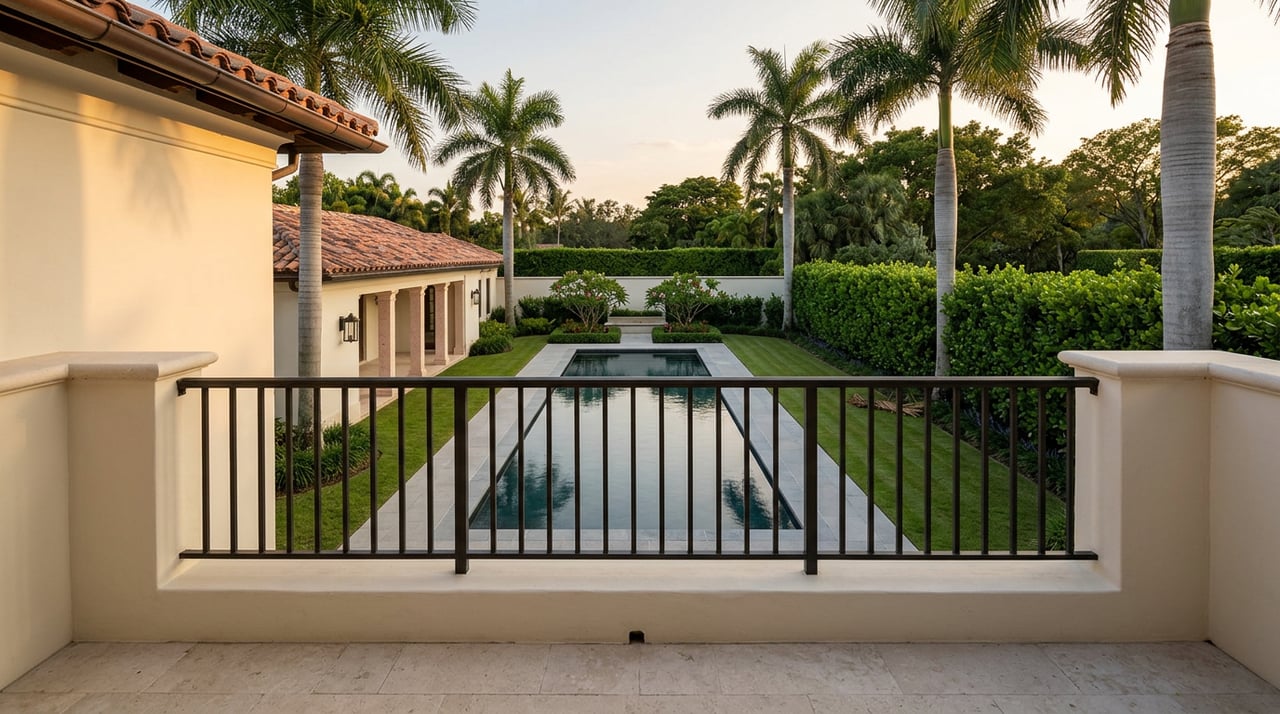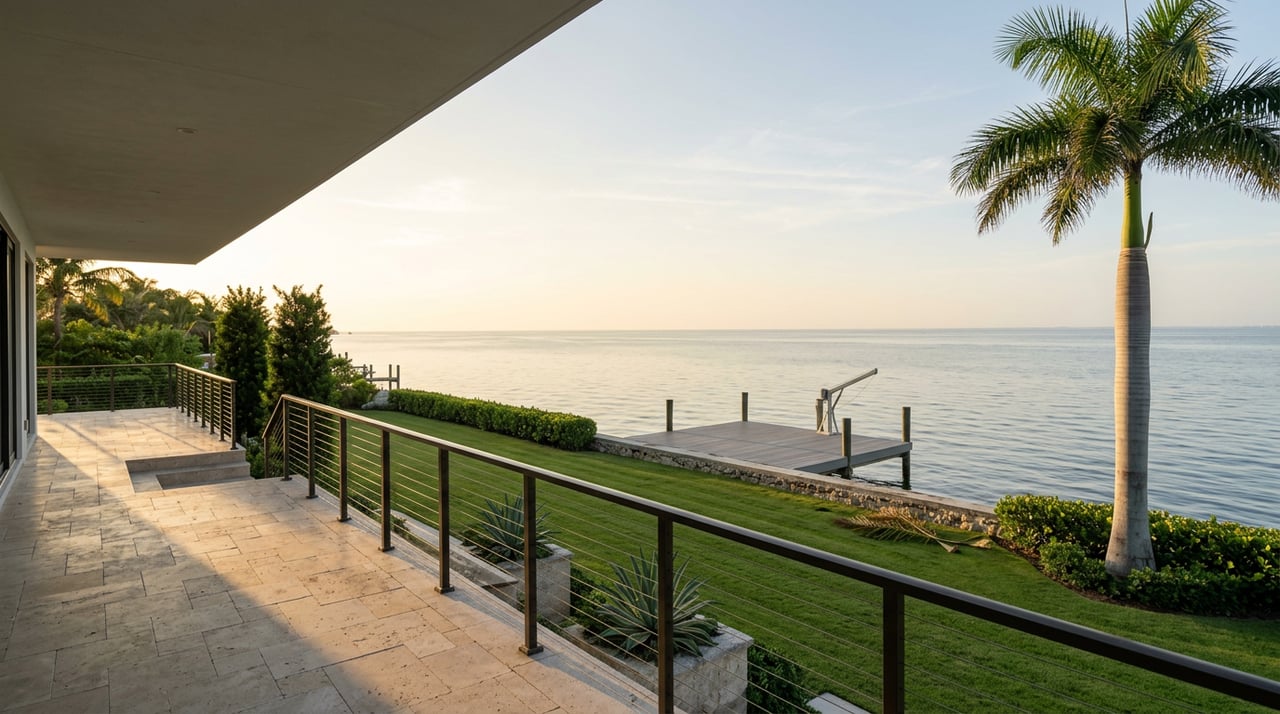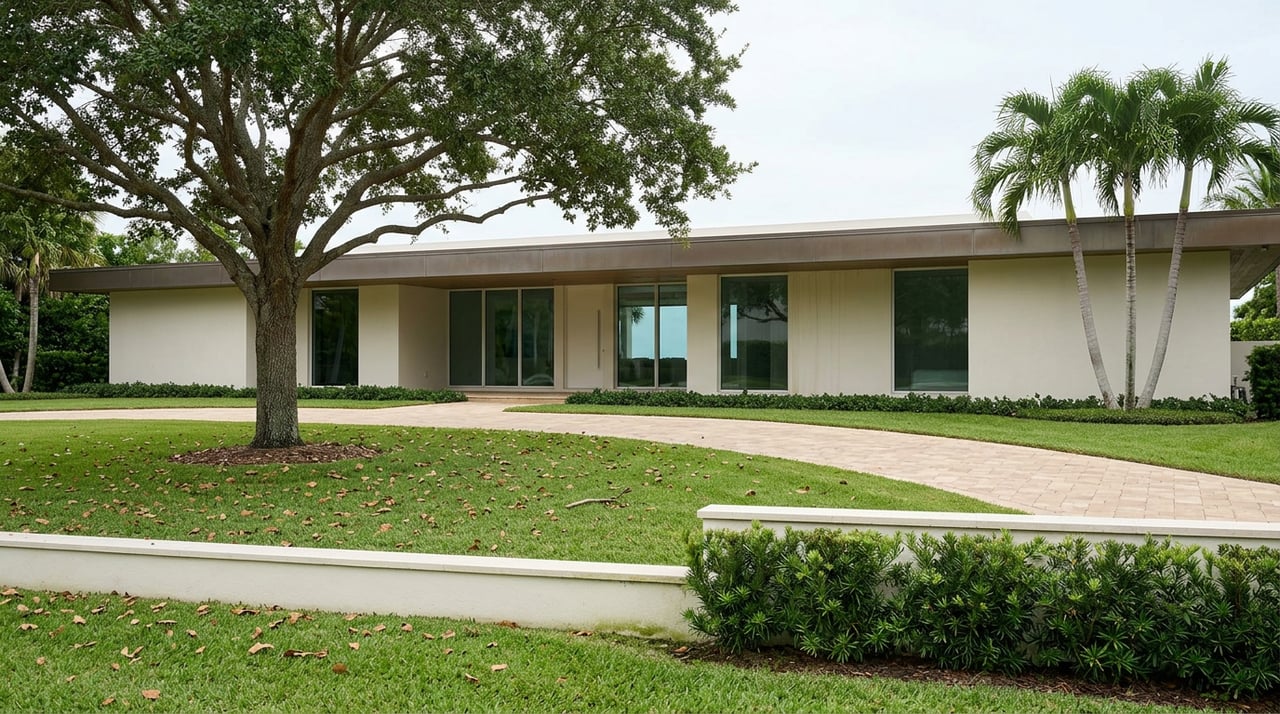
Buyers come to Pine Ridge Estates for the same reason people always have: no board reviewing your fence stain, no monthly assessment funding someone else's clubhouse, and an acre or more of oak canopy between you and the next roofline. It is one of the only pockets left in central Naples where you can keep a horse, build a guest house without a variance fight, and still be minutes from Waterside Shops.
That same freedom is also why nobody has already checked whether the lot you are buying runs on municipal water or a well and septic system you cannot see from the driveway. In a gated Naples community, an association with a six-figure operating budget has usually already sorted out the infrastructure story lot by lot. In Pine Ridge, that job now belongs to you and your contract contingencies.
The Association That Isn't Doing What You Think
Pine Ridge does have a community organization. The Pine Ridge Civic Association exists, runs a directory, and hosts events for residents who want to stay connected to their neighbors. What it does not do is anything close to what a mandatory HOA does in a gated Naples subdivision, where annual assessments can run into the tens of thousands of dollars and fund infrastructure oversight, architectural review, and reserve studies that quietly protect a buyer from surprises.
A voluntary civic association with dues under $200 a year is a newsletter and a neighbor list. It is not a mechanism that verifies utility hookups, tracks septic permit history, or flags a setback violation before you write an offer. The absence of that oversight is precisely the tradeoff for the freedom that draws people to Pine Ridge in the first place, and it means the due diligence period on your contract is doing work that would otherwise be invisible to you.
Two Lots That Look Identical on Paper
Here is where the gap actually shows up. Walk two Pine Ridge listings side by side on paper and they can look nearly identical: roughly an acre, mature trees, a quiet interior street, a price in the same range. One of them might be sitting on city water with sidewalks out front and a flood zone designation that keeps insurance costs down. The other runs on a well and a septic system installed decades ago, with no sidewalk and a different flood zone entirely.
The fact that a lakefront lot with city water and sidewalks gets called out as a selling point in its own listing description tells you something important: it is rare enough in this neighborhood to be worth advertising. Most of Pine Ridge was built out on well and septic, and the newer pockets with municipal connections are the exception, not the rule. Nothing on a standard listing sheet forces that distinction to the surface. You find it by asking, or by ordering the inspections that answer the question for you.
What Well and Septic Actually Requires Before You Close
Florida does not have a statewide law requiring a septic inspection before a home sale closes. The Florida Department of Health in Collier County regulates onsite sewage treatment and disposal systems, and since July 2022, owners have had the option to hire a private provider to inspect a system rather than relying solely on the county health department. That flexibility is useful, but it also means the inspection only happens if someone requests it.
In practice, most lenders make the decision for you. FHA and VA loans typically require proof that a septic system functions before they will clear financing, which means a buyer using government-backed financing is not really choosing whether to inspect, only when. Buyers paying cash have more room to skip it, which is exactly the scenario where a failing drain field or an undersized tank turns into a post-closing dispute instead of a pre-closing repair credit.
The setback question matters just as much as the inspection itself. Lenders generally expect a minimum distance between a well and a septic system on the same parcel, and on Pine Ridge lots that have been added onto over the decades, with guest houses, pool equipment, or a second well drilled after the original layout, that distance is not automatic. If a home has an aerobic treatment unit rather than a conventional septic tank, the buyer also inherits an active operating permit and a maintenance contract, which comes with its own ongoing cost that a standard septic system does not carry.
The Land-Value Math That Raises the Stakes
Pine Ridge pricing is driven overwhelmingly by the lot, not the structure sitting on it. Single-family sales in the neighborhood closed in 2025 at an average price well above $7 million, with price per square foot north of $1,200 and a top sale exceeding $16 million, while condominiums in the same footprint traded at a fraction of that, averaging in the low $300,000s. That spread exists because buyers here are paying for acreage and scarcity first and finished square footage second.
| 2025 Pine Ridge Estates closed sales | Approximate average price | Approximate price per square foot |
|---|---|---|
| Single-family homes | $7.1 million | $1,229 |
| Condominiums | $342,000 | $260 |
That land-first pricing changes what a septic or well problem actually costs you. In a typical subdivision, a failed system is a repair line item. In Pine Ridge, where teardown parcels now trade at land values that rival waterfront lots because non-gated acreage close to the beach has become scarce, a buyer planning to demolish and rebuild needs the soils and utility picture settled before they can even plan the new footprint. A septic system sized for a smaller footprint, or a well positioned where a future guest house needs to go, is not a cosmetic issue. It is a constraint on what you can build with the land you just paid a premium for.
There is a reason experienced buyers in this neighborhood order a soils and utility review before they get attached to a floor plan. The dirt decides more of the outcome here than the drywall does.
What This Means If You're Under Contract Right Now
If you are actively negotiating on a Pine Ridge Estates property, a few questions are worth settling before your inspection period closes rather than after:
- Ask directly whether the parcel is on municipal water and sewer or on a private well and septic system, and get it in writing rather than assuming based on the neighborhood's overall reputation.
- If it is well and septic, order both inspections even if you are paying cash. The $250 to $900 a septic inspection typically costs is a rounding error against a $7 million average sale price, and it is far cheaper than discovering a failed drain field after closing.
- Confirm setback distances if the property has additions, a guest house, or an aerobic treatment unit, since those configurations are the ones most likely to have drifted out of compliance over time.
- If you are planning new construction, get the soils and utility report before you finalize a floor plan, not after.
None of this makes Pine Ridge Estates a harder place to buy. It makes it a place where the due diligence that a gated community's HOA would normally absorb on your behalf now sits with you and whoever you have representing you.
A Few Questions Worth Asking Directly
Does every home in Pine Ridge Estates use well and septic? No. Most of the neighborhood does, but pockets, particularly some newer construction and specific lakefront parcels, have city water connections. It varies lot by lot rather than by any consistent pattern across the community.
Is a septic inspection legally required to sell a home in Collier County? Florida has no statewide mandate requiring one. Government-backed loans such as FHA and VA generally require proof the system functions, which makes the inspection effectively mandatory for a large share of buyers even without a state law forcing it.
Does the Pine Ridge Civic Association handle any of this for buyers? No. It is a voluntary neighborhood organization with a modest annual fee, not a governing body with the authority or budget to inspect utilities, enforce setbacks, or vet a property before it changes hands.
Buying an acre in Pine Ridge Estates is still one of the rarest opportunities left in central Naples, and the freedom that comes with no HOA is real. The tradeoff is that nobody has already done the homework for you. If you are weighing a specific lot or getting ready to write an offer, Kevin L Fuller can walk the property with you and help you get the right inspections in place before your contingency period runs out. Request a Custom Home Valuation to start the conversation.