If you are torn between two Naples favorites, you are not alone. Pelican Bay and Park Shore both offer Gulf-front living, yet the day-to-day experience can feel very different. In this guide, you will get a clear, side-by-side look at beach access, amenities, building styles, and practical checks so you can choose with confidence. Let’s dive in.
Pelican Bay vs Park Shore overview
Pelican Bay and Park Shore sit along the Gulf of Mexico in North Naples. They are neighboring luxury areas, but their layouts and community structures are not the same. Pelican Bay is a master-planned community with multiple neighborhoods and shared amenities. Park Shore is a collection of individual condominium developments and some single-family homes along Gulf Shore Boulevard and Venetian Bay without a single master association.
Pelican Bay generally delivers a campus-like feel with preserves, trails, and centralized resident beach facilities. Park Shore feels more like a linear, coastal corridor of high-rise towers and bayside buildings with convenient access to dining and shopping. Your choice comes down to how you want to access the beach, the pace you prefer, and the services you expect from your building or association.
Beach access models compared
Beach access is often the deciding factor for seasonal residents and downsizers. The model is different in each neighborhood and can affect convenience, guest usage, and fees.
Pelican Bay access
In Pelican Bay, access is organized through the master community. Resident beach facilities and boardwalks are maintained for member use, and entry is typically controlled by ID cards, tags, or association mechanisms. The result is a consistent experience across neighborhoods with shared upland amenities.
Park Shore access
In Park Shore, beach access is managed building by building. Many towers have private walkovers, on-site facilities, or deeded beachfront for residents, while others rely on association-controlled pathways. Because there is no master beach program, the access rules and amenities vary widely by condominium.
What “private beach” means in Florida
In Florida, the wet sand seaward of the mean high-water line is generally public. The dry sand above that line may be privately owned by associations or communities, which often provide controlled access and private amenities like chairs, umbrellas, restrooms, parking, and guarded walkovers. When you see “private beach access,” it usually means the private upland facilities and controlled entry, not exclusive ownership of the water or wet sand.
What to verify for a property
- How beach access is provided: master association facilities in Pelican Bay or building-level access in Park Shore.
- Guest and renter rules, including registration and high-season limits.
- Parking at access points for residents and guests.
- Whether beach amenities are included in condo or HOA fees or require a separate membership.
- Any deeded rights, easements, or recorded access agreements.
Amenities and lifestyle
Both areas deliver luxury services, but the feel on the ground is distinct.
Pelican Bay amenities and vibe
Pelican Bay emphasizes green space and recreation. You will find nature preserves, boardwalks, trails, and resident beach facilities that support a resort-style, community pace. Many neighborhoods include pools, tennis and pickleball, fitness centers, community rooms, and organized programs. Security features and gated entries are common in parts of Pelican Bay, which can appeal if you value privacy and a quieter setting.
Park Shore amenities and vibe
Park Shore leans into tower living and convenience. Many buildings offer private pools, fitness centers, concierge or valet, and direct beachfront facilities. On the bayside, some developments connect you to marina access and boating. Dining and shopping options, including the Venetian Bay area, sit close by, which raises the day-to-day walkability compared to Pelican Bay.
Lifestyle tradeoffs
- Privacy vs walkability: Pelican Bay skews private and nature focused. Park Shore is more walkable and active.
- Community vs building specificity: Pelican Bay centralizes amenities through the master community. Park Shore depends on the specific building you choose.
- Service levels vs fees: Full-service towers in Park Shore often have higher monthly fees, while Pelican Bay adds a master association layer on top of individual condo fees.
Housing styles and fees
Your preferred home type may point you toward one neighborhood or the other.
Pelican Bay housing choices
Pelican Bay features a mix of low to mid-rise condos, attached villas, and select midrise towers. Many floor plans offer single-level living that suits downsizers. The master-planned layout reduces overall density compared to Park Shore, and the green corridors reinforce the campus feel.
Park Shore housing choices
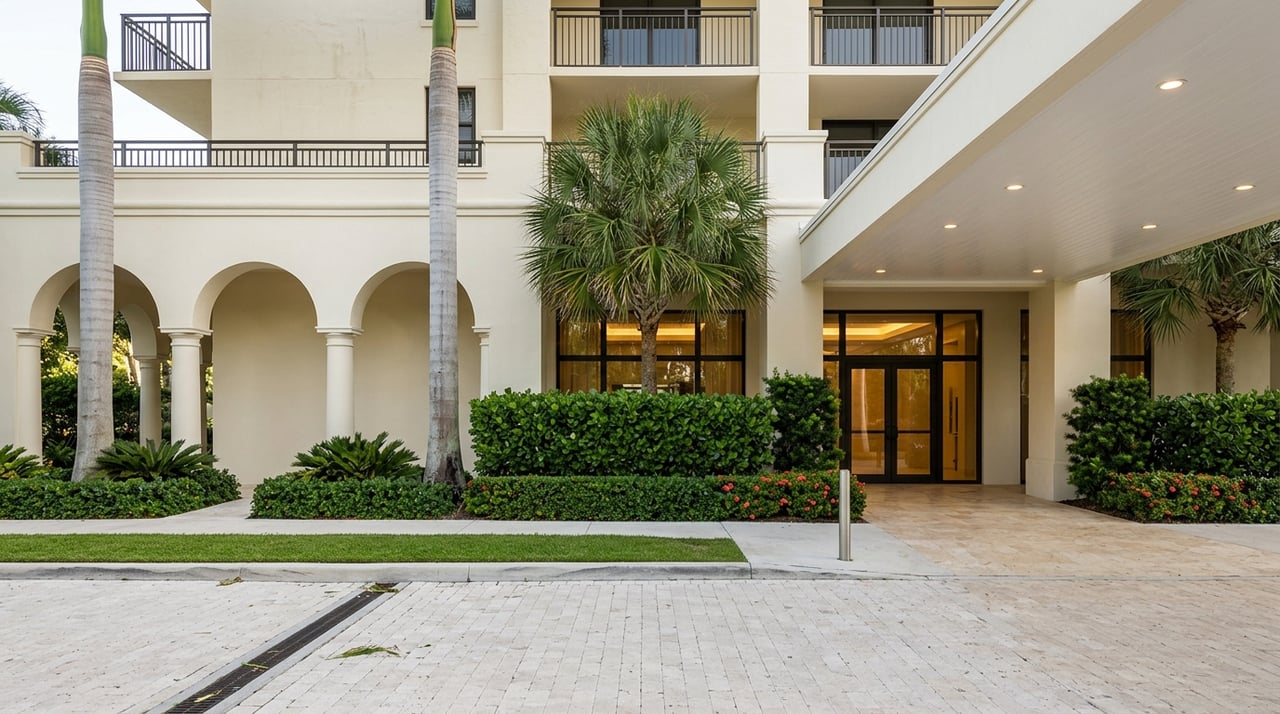
Park Shore offers a higher concentration of high-rise luxury towers with elevator access, concierge-style services, and structured parking, along with some low-rise buildings and single-family homes. If you want full-service tower living with broad Gulf or bay views, Park Shore is a natural match.
Fees and governance
- Pelican Bay: Expect master association fees plus your condo or neighborhood fees. Shared amenities can spread costs, but the master layer adds rules and potential assessments.
- Park Shore: Fees vary widely by building. Towers with concierge or valet, extensive amenities, and on-site staff typically carry higher monthly costs. Review each building’s reserves and history of assessments carefully.
Daily living and convenience
Your everyday rhythm matters. Pelican Bay’s preserves and trails create a retreat-like living pattern with a short drive to many daily services. Park Shore’s linear corridor brings you closer to restaurants, boutiques, and bayside activities, which many seasonal residents and downsizers appreciate for quick errands and evenings out. For healthcare, both areas have access to Naples medical providers, and proximity to hospitals and urgent care is a practical check for every buyer.
Due-diligence checklist
Use this shortlist to compare Pelican Bay and Park Shore options with clarity.
Property documents and policies
- Association declaration, bylaws, rules, budgets, reserve study, and recent board minutes.
- Rental terms and minimums if you plan to rent seasonally.
- Pet, guest, and parking policies.
- Whether beach access and amenities are included in dues or require a separate fee.
Financial and assessments
- Recent or planned special assessments and the condition of common elements like roofs, elevators, or seawalls.
- Three years of financials and reserve funding.
- Insurance structure, especially wind or hurricane deductibles.
- Any capital projects that could trigger future assessments.
Insurance and resilience
- Flood zone verification and elevation data.
- Historical insurance claims and quotes from local brokers for wind and flood coverage.
- Shoreline conditions and any recent or planned beach renourishment projects.
- Long-term coastal resilience plans published by local agencies.
Physical and lifestyle checks
- Elevator access and single-level layouts for mobility and downsizing.
- High-season demand patterns, guest registration requirements, and parking rules.
- Proximity to grocery, pharmacy, and daily services that match your routine.
Beach-specific items
- Exact access type: master facility, association walkover, or deeded beachfront.
- Parking availability for residents and guests at access points.
- What private amenities include, such as chairs, umbrellas, restrooms, or storage.
- Seasonal rules for renters and registered guests.
Market context and timing
Market conditions shift seasonally in Naples, especially during winter when occupancy rises. If you are comparing towers in Park Shore to mid-rise or villa options in Pelican Bay, expect price-per-square-foot differences that reflect view, service level, age, and amenity packages. For up-to-date trends, follow local market reports and county records that track inventory, days on market, and neighborhood-level patterns. Ask for building-level comps and assessment history to round out the picture.
Which one fits you
- Choose Pelican Bay if you want a quieter, nature-forward setting with a master-planned fabric of trails, boardwalks, and shared beach facilities. This often suits downsizers who prefer single-level living and seasonal residents who value organized community programs.
- Choose Park Shore if you want high-rise convenience, strong walkability to dining and shops, and building-specific services like concierge, valet, or marina access. This often suits boaters, lock-and-leave owners, and anyone who prioritizes immediate Gulf or bay views.
Next steps with a trusted advisor
A side-by-side tour is the fastest way to align your lifestyle to the right building and beach model. You will benefit from a clear read on access rules, assessment exposure, insurance, and everyday practicalities that do not show in a listing. Ready to compare your short list and craft a plan that fits how you want to live this season and beyond? Connect with Kevin L Fuller for concierge guidance and a confident path to your Naples beach home.
FAQs
What is the core difference between Pelican Bay and Park Shore?
- Pelican Bay is a master-planned community with shared amenities and beach facilities, while Park Shore is a collection of individual buildings where amenities and beach access vary by association.
How private is the beach in these neighborhoods?
- In Florida the wet sand is generally public, while private associations can control access and amenities on the upland dry sand, so verify exactly what your building or community provides.
Which area is better for downsizers seeking low maintenance?
- Park Shore towers often provide concierge-style services and elevator access, while Pelican Bay offers many single-level options and a quieter, campus-like setting, so the better fit depends on your service and pace preferences.
Do both areas have resident beach access?
- Yes, Pelican Bay manages beach access through the master community and Park Shore typically manages access at the building level with private walkovers or facilities.
What fees should I expect for amenities and beach use?
- Pelican Bay owners often pay master association fees plus condo fees, while Park Shore fees vary by building and may be higher in full-service towers, so review budgets and reserves for each option.
Can I rent my condo during high season?
- Rental rules and minimums differ widely by association, so check the condominium documents and speak with the property manager or board before you buy.
Will I have guaranteed beach parking for guests?
- Not always; guest parking and peak-season rules are specific to each association, so confirm availability and registration requirements in advance.
How should I compare insurance and flood risk?
- Verify the property’s flood zone, request insurance quotes from local brokers, and review elevation and building resilience plans to understand premiums and deductibles before you commit.