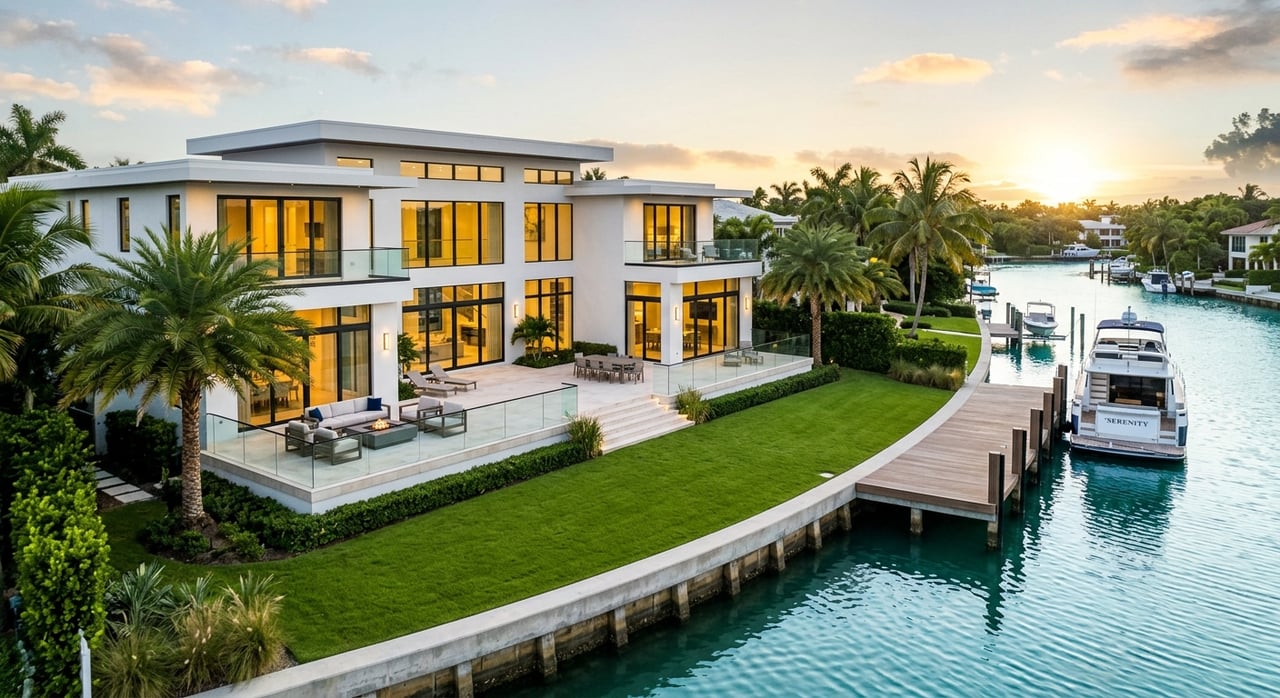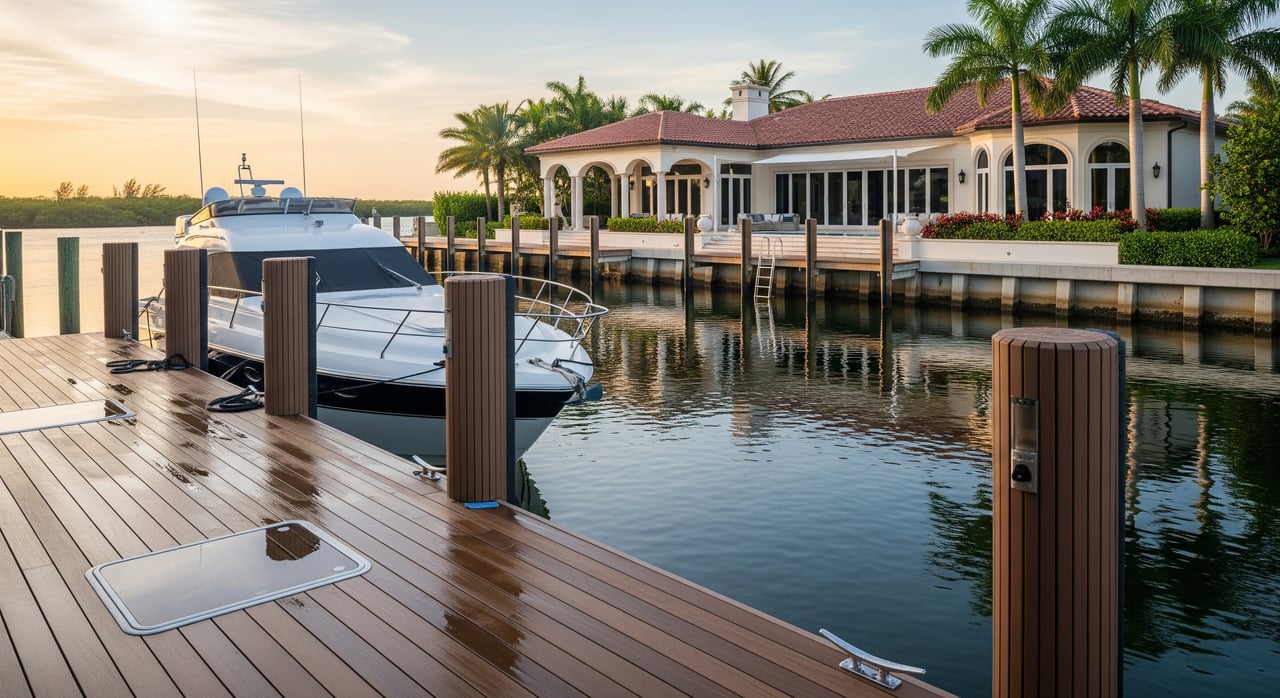
Picture stepping from your backyard to your boat and cruising Naples Bay in minutes. If you’re drawn to that lifestyle, The Moorings puts you close to open water, downtown dining, and sandy beaches. The key is choosing the right water orientation and a dock that truly fits your boat and your plans. In this guide, you’ll learn how canal and bay properties compare, what to inspect on docks and seawalls, and the practical steps to buy with confidence. Let’s dive in.
The Moorings by water
The Moorings is a central Naples waterfront neighborhood with homes fronting Naples Bay and short residential canals that connect to the bay. From most docks, you idle onto the bay, then reach the Gulf of Mexico through the local passes used by Naples boaters. Tides and periodic shoaling can influence navigation, so you should plan routes and timing with local tide information and updated charts.
For daily life, you’re a short drive from dining and shopping along 5th Avenue South and 3rd Street South. Popular beaches, including the Naples Pier area and Lowdermilk Park, are close enough for routine visits. Fuel, pump-out, haul-out, and most repair services are concentrated at Naples’ commercial marinas rather than inside the smaller residential canals, so factor that into your boating-day plan.
Choose your orientation: canal vs bay
Canal-front pros, cons, and checks
Canal homes usually offer a protected setting with gentler conditions for docking. That calmer water is ideal if you favor smaller or mid-size boats and want easier, lower-stress tie-ups.
Benefits:
- More protection from wind and wakes, which simplifies docking.
- Often quieter along the water, with added privacy.
- Convenient yard-to-boat access for quick outings.
Tradeoffs:
- Shallower depths and limited turning room can cap boat size.
- Potential low-clearance bridges or culverts on certain canals.
- Reduced water circulation can lead to debris or growth near seawalls, raising maintenance.
Smart checks:
- Confirm depth at mean low tide at the slip and along the route.
- Measure turning radius and any pinch points between pilings.
- Ask about easements or drainage features that could limit dock placement.
Bay-front pros, cons, and checks
Bay-front properties put you closer to deeper water and faster runs toward the Gulf. If offshore fishing or larger vessels are your priority, this orientation can shine.
Benefits:
- Generally deeper water and more maneuvering room for larger boats.
- Shorter lines to open bay routes and Gulf passes.
- Big-water views that many buyers value.
Tradeoffs:
- More exposure to wind, wakes, and storm surge demands stronger seawalls and docks.
- Higher long-term maintenance from wave action.
- Heavier-duty mooring and lift configurations may be needed.
Smart checks:
- Evaluate seawall condition and dock engineering for exposure.
- Confirm lift capacity and electrical service are appropriate for your boat and conditions.
- Review typical wake patterns and traffic near the channel.
Which fits your boating plan?
- If you run offshore frequently or own a larger boat, bay-front typically offers the best access.
- If you want low-stress docking for a small-to-mid-size boat and a quieter backyard, canal-front can be the better fit.
- Some buyers choose a canal home for everyday cruising with a trailerable boat, while keeping a larger vessel at a nearby marina.
What to verify on docks and seawalls
Permits and ownership
Before you fall in love with a view, verify the legal status of the dock and any past work. In this area, upland owners typically own to the mean high water line, while structures beyond that point can involve state-managed submerged lands. You should confirm:
- Collier County permits for docks, lifts, seawalls, and any replacements or repairs.
- Florida Department of Environmental Protection authorization for work in or over state submerged lands.
- U.S. Army Corps of Engineers approvals for structures in navigable waters.
- HOA or POA rules and any recorded easements that affect dock size, placement, or reconstruction.
If you plan to widen a slip, change a lift, or rebuild a seawall, expect that new approvals may be required. Ask for the complete permit history in writing.
Condition and maintenance
A thorough marine inspection is essential. Focus on:
- Seawalls: signs of leaning, cracking, or settlement; voids behind the wall.
- Pilings and hardware: rot, marine borer damage, or corrosion.
- Decking: material type and wear patterns.
- Lifts and power: lift capacity, cables, motors, GFCI-protected shore power, lighting, and water service.
- Access: space for cranes and contractor staging if replacement is needed.
Seawalls and docks can be the largest waterfront maintenance expense. Repairs or raising dock heights may require permits, and some insurers favor or require specific upgrades.
Fit for your boat
You want a slip that matches your vessel, not one that forces compromises. Measure and verify:
- Slip width and length, plus distance between pilings.
- Water depth at mean low tide at the slip and along the canal.
- Turning radius and approach geometry for docking.
- Lift capacity versus your boat’s fully loaded weight.
Floating docks adapt to tides; fixed docks are common on protected canals and along the bay but require attention to vertical clearances if you plan covers or shade structures.
Safety and environment
Naples-area waterways include no-wake zones and manatee protection areas. Seagrass beds and shallow flats deserve caution to prevent prop scarring and shoreline erosion. Plan routes that respect marked zones and seasonal restrictions, and teach guests safe operating practices.
Lifestyle: dining, beaches, and daily convenience
Living in The Moorings blends waterfront access with central Naples amenities. Many streets are a quick drive to 5th Avenue South and 3rd Street South dining, plus popular beaches. That convenience is a lifestyle perk, especially for sunset boat rides followed by dinner.
Consider:
- Typical drive or walk times to your favorite restaurants and beach access points.
- Seasonal traffic and parking patterns during peak tourism months.
- Whether a prime dining location offsets any dock or depth limits on a given lot.
- Guest parking and how visitors will access your home on boat days.
Bay-front homes may experience more boat traffic and transient noise near channels. Smaller canal pockets are usually quieter along the water. Match the setting to the way you live and host.
Insurance and inspections that matter
Waterfront homes in Naples carry flood and storm considerations. Build these checks into your process:
- Flood risk: identify the FEMA flood zone and request any available elevation certificate early.
- Wind and hurricane coverage: understand deductibles and market options for coastal risk.
- Dock and lift coverage: confirm whether your homeowner policy includes these structures or if endorsements are needed. Your boat will require separate marine insurance.
- Cost planning: seawall and dock replacements can be substantial; factor lifecycle maintenance into your budget.
A permitted, well-maintained dock can elevate marketability and daily enjoyment, but it also adds maintenance and insurance line items. Go in eyes-open with real cost estimates.
Practical next steps for buyers
- Define your boat profile: length, beam, draft, height, and lift weight.
- Walk the seawall at lower tide to spot voids or cracks; note water depth at the slip.
- Request complete permit and repair history for the dock, lift, and seawall.
- Engage a qualified marine contractor or surveyor for a dock and seawall inspection.
- Verify FEMA flood zone and elevation; consult your insurance advisor for quotes.
- Map your boating day: closest fuel, pump-out, and haul-out options.
- Clarify HOA or POA rules for docks, lifts, lighting, and construction windows.
- Plan for storms: decide on haul-out, marina hurricane plans, or trailering.
- If needed, consider keeping a larger boat at a marina while you use a smaller boat at home.
Work with a waterfront specialist
Buying a boat-friendly home in The Moorings is part lifestyle, part engineering. You deserve an advisor who speaks both. With deep neighborhood knowledge and concierge-level service, Kevin L. Fuller helps you compare canal and bay options, verify permits, coordinate marine inspections, and negotiate the details that protect your investment. If you want a curated list of properties that actually fit your boat and your routine, let’s talk.
Ready to find the right waterfront fit? Connect with Kevin L. Fuller for a private consultation and a tailored search.
FAQs
How do Moorings canals compare to bayfront for boat size?
- Canal depths and turning room often favor small-to-mid-size boats, while bayfront locations typically allow larger vessels with quicker access to deeper water.
What permits apply if I replace a dock or add a lift in The Moorings?
- Expect to involve Collier County, the Florida Department of Environmental Protection, and potentially the U.S. Army Corps of Engineers, plus any HOA or POA approvals.
How can I confirm depth at my potential dock in The Moorings?
- Check depth at mean low tide with on-site soundings and review current charts; verify the route to the bay for any shallow sections or pinch points.
Are there local boating restrictions near The Moorings?
- Yes. You should expect posted no-wake areas and manatee protection zones; follow marked speeds and seasonal restrictions along Naples Bay and connecting canals.
Where will I fuel or pump out near a Moorings home?
- Most fueling, pump-out, haul-out, and repair services are at Naples’ commercial marinas, not inside the smaller residential canals.
What insurance should I plan for on a Moorings waterfront home?
- Budget for homeowners and flood insurance, plus separate coverage for your boat and endorsements for docks or lifts; windstorm deductibles can be higher in coastal areas.