Craving more space, privacy, and freedom to design your life? Acreage estate living in Pine Ridge Estates can offer all three, along with questions about zoning, wells and septic, flood zones, and accessory buildings. If you are considering a one to five acre property in Bay County, this primer gives you a clear path to evaluate lifestyle fit, local rules, and costs. You will learn what to verify, how acreage living compares with gated communities, and the due diligence steps smart buyers use. Let’s dive in.
What acreage estate living means
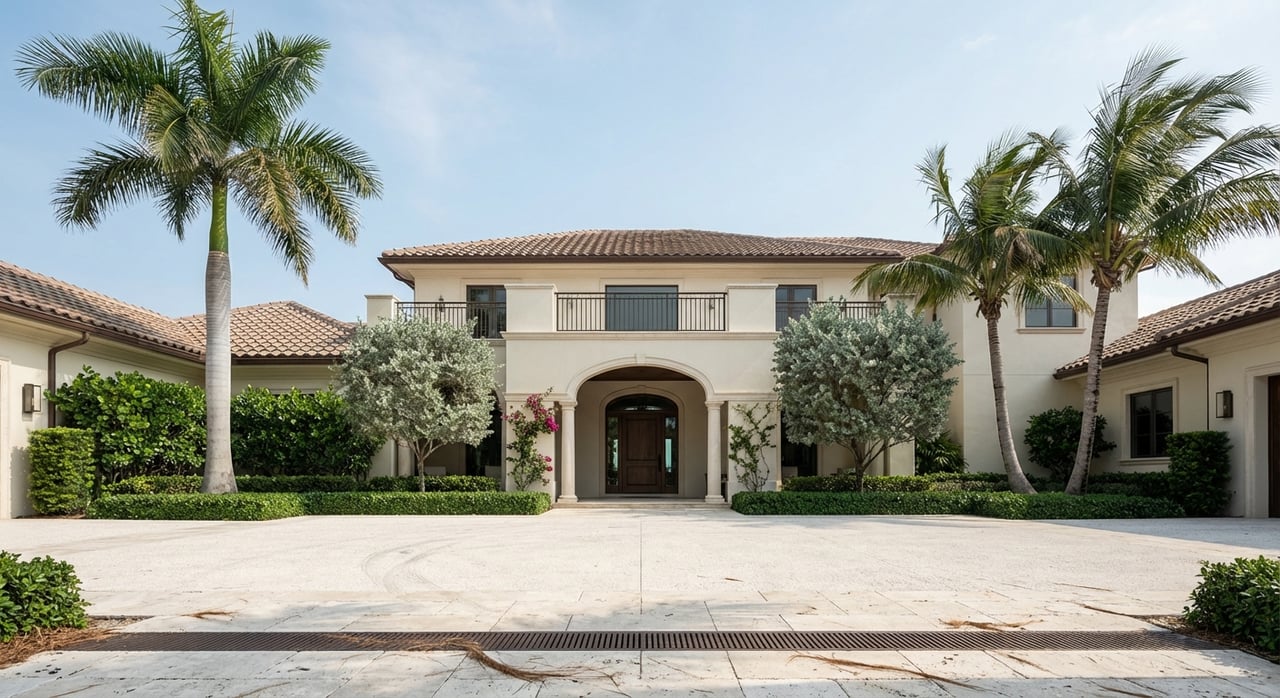
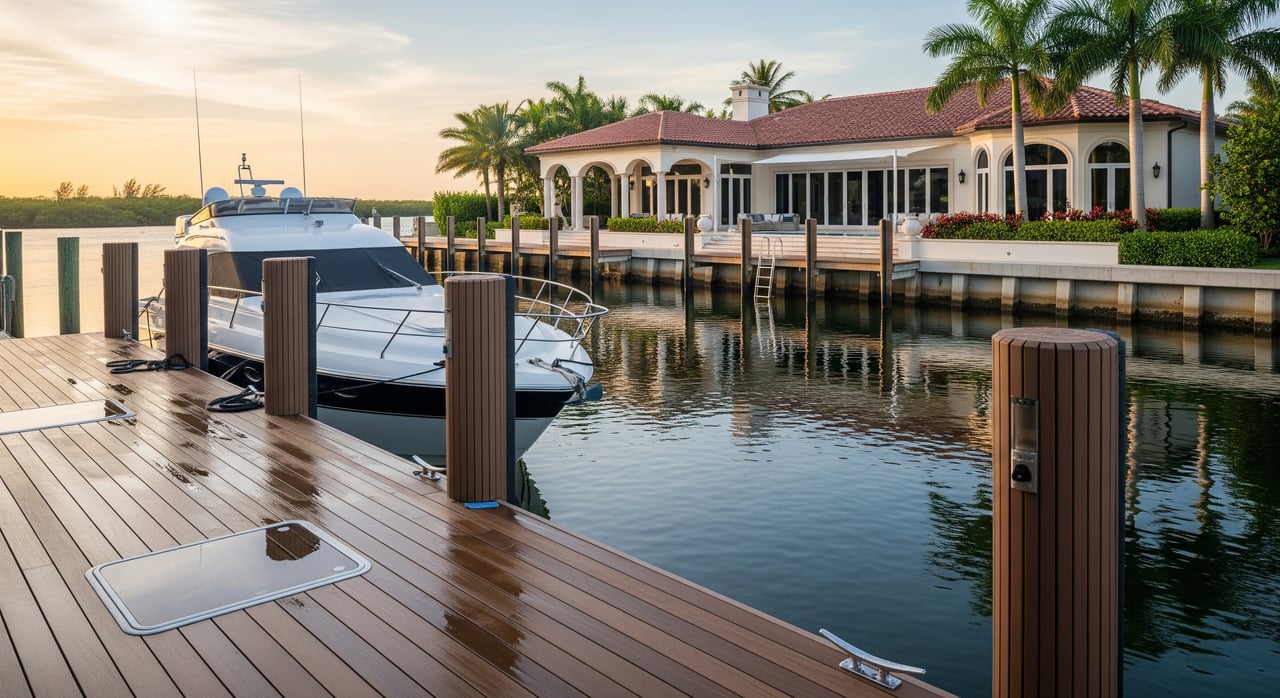
On one to five acre parcels, you typically get larger setbacks, long private driveways, and room for guest suites or accessory buildings. You can often add detached garages, workshops, barns, and expansive outdoor areas, subject to local zoning and any recorded covenants. The appeal is privacy and flexibility, with fewer immediate neighbors and more natural buffers.
That flexibility comes with responsibility. You may manage your own well and septic system, arrange road or driveway upkeep, and plan for landscaping across a larger footprint. Insurance, permitting, and maintenance can be more complex than in a master‑planned community.
Pine Ridge Estates basics to verify
Because parcel rules and services vary by neighborhood and county, start with local records before you make assumptions.
- Confirm the exact subdivision location and governing county. Use the Bay County Property Appraiser to verify parcel lines, acreage, and tax records. You can search by address or owner on the Bay County site to confirm basics and parcel IDs. Visit the Bay County Property Appraiser.
- Check zoning, allowed uses, and setbacks. Ask planning staff about guest houses, barns, detached garages, and any equestrian or small agricultural allowances. Start with Bay County Planning and Community Development.
- Look for recorded covenants and any HOA or road maintenance agreements. Covenants can limit fencing, animals, or accessory structures and may manage private road upkeep.
- Determine utility status. Confirm whether homes use public water and sewer or private well and septic. If septic and well are in place, ask for permits and maintenance history from prior owners.
- Validate floodplain and wetlands. Flood status, elevation, and wetlands can affect buildability, insurance, and financing.
Lifestyle tradeoffs vs gated community living
Acreage estate living gives you privacy and room to customize. Gated communities offer convenience and shared amenities. Your choice comes down to how you want to live day to day.
Privacy and space
- Acreage: Larger buffers, tree lines, and quieter surroundings with homes sited for privacy.
- Gated communities: Smaller lots but controlled access and community rules that create order and predictability.
Customization and accessory uses
- Acreage: More flexibility to add guest houses, workshops, pools, or equestrian features, subject to zoning and covenants.
- Gated communities: Architectural guidelines and reviews that limit exterior changes and accessory buildings.
Services and maintenance
- Acreage: You manage landscaping, pest control, septic and well service, and often private driveways or roads.
- Gated communities: HOA covers common area maintenance, landscaping of shared spaces, and community amenities.
Security and community
- Acreage: Security relies on your own systems, gates, fencing, and property design.
- Gated communities: Controlled access and HOA enforcement can address some security concerns.
Key property checks in Bay County
A few early checks can save you time and reduce risk.
- Flood zones and elevation. Use FEMA’s Flood Map Service Center to see the current Flood Insurance Rate Map (FIRM) for any parcel. Start with the FEMA Flood Map Service Center.
- Septic system status. The Florida Department of Health regulates on‑site wastewater systems. Request existing permits, system age, maintenance records, and the drain field location. Review guidance at the Florida Department of Health Onsite Sewage Program.
- Zoning and permitted uses. Confirm the zoning district and ask planning staff about setbacks, lot coverage, and what counts as an accessory dwelling or guest house. Contact Bay County Planning and Community Development.
- Parcel lines and easements. Verify acreage, boundaries, and recorded easements through the property appraiser and a current survey.
Flood, wetlands, and buildability
Flood risk varies from parcel to parcel. If a property lies in a special flood hazard area, a lender may require flood insurance, and an elevation certificate can influence premiums. Always check the official FEMA map for the most current flood zone. Use the FEMA Flood Map Service Center as your starting point.
Wetlands and conservation areas can limit where you build or expand. Some activities may require permits from the state or federal government. For state Environmental Resource Permits, review the Florida Department of Environmental Protection’s ERP program. If work could affect jurisdictional waters or wetlands, also consult the U.S. Army Corps of Engineers Jacksonville District Regulatory Permitting.
Building in Florida must meet wind and hurricane standards. New construction and major renovations must comply with the Florida Building Code and any local amendments. Learn more at the Florida Building Code.
Utilities, access, and insurance
Many acreage properties use private wells and septic systems. Confirm the location of the well, septic tank, and drain field, and ask for any service records. If you plan an addition or guest house, confirm capacity and setbacks for septic.
Road access matters. Determine whether streets are public or private. If private, ask for the maintenance agreement and how costs are shared. Emergency access, driveway width, and turnaround space can affect permitting and insurance.
Insurance premiums in coastal and high‑wind areas can be higher than you expect. Wind and hurricane coverage, roof age and type, distance to the nearest fire station, and flood zone status all influence premiums. Get quotes early so you understand carrying costs before you commit.
Financing and valuation
Acreage estates serve a specialized buyer segment, which can mean limited comparable sales. Appraisers need similar acreage, improvements, and utility setups to produce a confident value. That can affect financing, down payment requirements, and appraisal contingencies.
Conventional loans are common, but lenders will evaluate access, insurability, and onsite utilities. Jumbo financing may be needed for larger estates. Construction or renovation loans require approved contractors and a clear draw schedule. If you plan to rent the property, confirm any local licensing and tax rules, and whether covenants allow short‑term rentals.
Buyer due diligence checklist
Use this checklist to organize your pre‑offer and inspection steps.
- Verify parcel lines, acreage, and any recorded easements with the property appraiser and a current survey.
- Request a title commitment and review for covenants, restrictions, liens, and road maintenance agreements.
- Confirm zoning, permitted uses, and rules for guest houses, barns, animals, and fencing with county planning staff.
- Pull septic and well permits, maintenance records, and water quality reports. If needed, schedule inspections and a pump test.
- Check FEMA flood zone, elevation certificate if available, and any known storm surge or erosion risk. Map wetlands and conservation areas.
- Confirm electrical service capacity and available internet providers. Ask whether lines are overhead or underground.
- Determine road status. For private roads, get the maintenance agreement and estimated annual costs.
- Obtain insurance estimates for homeowner, wind, and flood coverage before you finalize price and terms.
- Map drive times to everyday needs like grocery, hospital, airport, and beaches to confirm lifestyle fit.
- Build your team: local agent with acreage experience, surveyor, septic and well specialists, and a lender familiar with rural or estate properties.
How to move forward with confidence
Acreage estate living in Pine Ridge Estates can deliver privacy, space, and the freedom to create the property you want. The key is verifying the rules and systems that define what you can build, how you maintain it, and what it will cost to own. When you combine lifestyle clarity with careful due diligence, you set yourself up for a smooth purchase and long‑term enjoyment.
If you want a tailored plan for your goals, let’s talk. With white‑glove service and a clear process, Kevin L Fuller can help you evaluate options, coordinate inspections, and negotiate with confidence. Request a Custom Home Valuation to get started.
FAQs
What counts as an acreage estate in Pine Ridge Estates, Bay County?
- In Florida, buyers typically use the term for one to five acre single‑family parcels that allow larger setbacks, accessory buildings, and more privacy than standard lots.
Are guest houses allowed in Pine Ridge Estates, Bay County?
- Rules vary by zoning and any covenants, so confirm with Bay County Planning and Community Development and review recorded restrictions before you plan an accessory dwelling.
How do I check flood zones for a Pine Ridge Estates property?
- Search the parcel address on the FEMA Flood Map Service Center to see the current Flood Insurance Rate Map and ask for an elevation certificate if one exists.
What should I know about septic and wells on one to five acre parcels in Bay County?
- Many acreage homes use private systems, so request permits and maintenance records and review guidance from the Florida Department of Health Onsite Sewage Program.
Do wetlands affect buildability in Pine Ridge Estates?
- Yes, wetlands and conservation areas can limit where you build and may require permits through the Florida Department of Environmental Protection ERP program or the U.S. Army Corps of Engineers Jacksonville District.