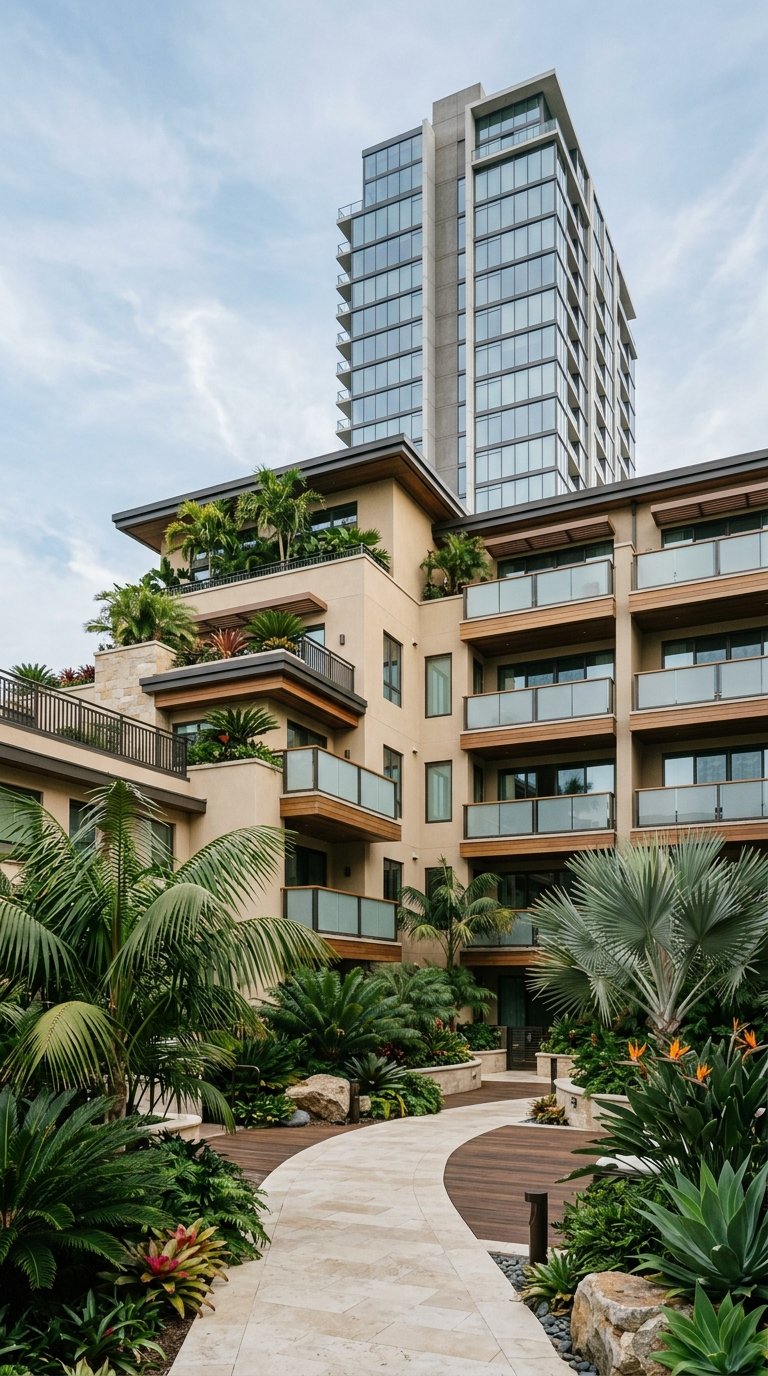
Wondering whether a high-rise or mid-rise condo is the better fit in Pelican Bay? It is a smart question, because this community is not a one-size-fits-all condo neighborhood. Your day-to-day experience can feel very different depending on the building you choose, even when you are inside the same master-planned community. In this guide, you will get a clear look at how high-rise and mid-rise living compare in Pelican Bay, what lifestyle differences matter most, and what due diligence steps can help you buy with confidence. Let’s dive in.
Why Pelican Bay Feels Different
Pelican Bay is larger and more layered than many buyers first expect. According to the Pelican Bay Foundation, the community spans more than three square miles and includes about 6,500 residences across 95 associations.
That scale matters because you are not just choosing a condo unit. You are also choosing a building style, an association structure, and a daily routine within a broader resort-style setting.
The Foundation manages major shared amenities across the community. These include the beaches, beachfront restaurants, racquets facilities, boardwalks, tram transportation, security, and the Community Center.
Pelican Bay is also shaped by its natural setting. The community includes more than 500 acres of protected estuary, mangroves, and beaches, with private access to three miles of white-sand beaches by tram.
That means beach access here is special, but it is not always a simple walk straight from your lobby to the sand. In many cases, the boardwalk and tram system are a central part of the Pelican Bay lifestyle.
High-Rise Living in Pelican Bay
High-rise living in Pelican Bay is often about elevation, expansive views, and service-rich buildings. If you picture waking up to Gulf views, enjoying a staffed lobby experience, and having more amenities under one roof, a tower may be the right direction.
The lifestyle can feel more vertical and more structured. You may rely more on elevators, shared building systems, and a larger association framework than you would in a smaller condo building.
Examples in Pelican Bay show how this can vary from one property to the next. St. Nicole is a 97-unit high-rise with views of Clam Bay, the Gulf of Mexico, and the preserve, plus tram service to the beach and walkability to Waterside Shops and the Naples Philharmonic and Museum of Art.
Marbella takes the tower concept even further. It describes a 21-story high-rise experience with unobstructed Gulf views, concierge services, and on-site dining.
Even a smaller tower can still deliver a high-rise feel. The Heron, with only 40 residences and two units per floor, offers 300-degree views of the Gulf of Mexico, Clam Bay, and the city of Naples, along with amenities like a pool and spa, fitness areas, guest suites, and secure indoor garage parking.
What Buyers Often Like About High-Rises
Many buyers are drawn to high-rises for a few clear reasons:
- Higher-floor views of the Gulf, Clam Bay, preserves, or city skyline
- More service-oriented building operations
- Amenity packages that may include guest suites, fitness rooms, concierge-style features, or indoor parking
- A lock-and-leave setup that can appeal to seasonal owners
- A stronger sense of separation from ground-level activity
What to Consider With High-Rises
The tradeoff is usually greater building complexity. More floors, more shared systems, and more common elements can mean a more involved association and a closer look at budgets, reserves, inspections, and future capital needs.
In Florida, that issue is especially important for condo buildings that are three habitable stories or more. State law applies milestone inspection and structural reserve requirements to those buildings, which can affect operating costs, reserve funding, and assessments.
Mid-Rise Living in Pelican Bay
If high-rise living feels a little too vertical or service-heavy, a mid-rise or smaller-scale building may offer a better rhythm. In Pelican Bay, these properties often appeal to buyers who want the same larger community amenities but a more residential feel.
The original plan for Pelican Bay intentionally mixed in lower-profile residences that blended with the surrounding habitat. That planning approach still shapes how many buyers experience the community today.
A building like Serendipity shows what this lifestyle can look like. It has 66 units with lagoon or garden views, two pools, a renovated clubhouse, assigned carport spaces, guest parking, and access to nearby tram points for the beach and private beachfront facilities.
Its location also highlights another advantage of many mid-rise and low-rise options. Some are within walking distance of the berm, Artis-Naples, the Baker Museum, Waterside Shops, and nearby dining, which can create an easy everyday routine without the scale of a larger tower.
The Heron also works as a useful middle-ground example. While it has a tower-style format, its 40 residences and two-units-per-floor layout can feel quieter and more intimate than a large high-rise.
What Buyers Often Like About Mid-Rises
Mid-rise and smaller-building buyers often value:
- A quieter, less vertical lifestyle
- Fewer residences in the building
- A more residential feel
- Easier day-to-day movement in and around the property
- Access to Pelican Bay’s beach, tram, and amenity network without a full tower environment
What to Consider With Mid-Rises
Smaller scale does not always mean simpler ownership. A mid-rise or smaller condo association still has governance, maintenance responsibilities, insurance considerations, and reserve planning.
The Crescent is a good example of that reality. Its association materials include reserve studies, flood insurance information, governing documents, and inspection and service reports, plus a full-time on-site maintenance technician.
So while the building may feel calmer or more personal, you still want to evaluate how well the association is run. Good due diligence matters in every building style.
High-Rise vs Mid-Rise Daily Life
For many buyers, this decision comes down to how you want your home to feel on an ordinary day. The amenities may overlap across Pelican Bay, but the lived experience can be very different.
A high-rise often feels more like a full-service vertical community. You may have a more formal arrival experience, broader views, more shared amenities, and a stronger sense of building-managed convenience.
A mid-rise often feels more relaxed and lower profile. You may trade some elevation and larger-scale services for a quieter setting, fewer neighbors, and a pace that feels more residential.
Here is a simple way to think about it:
| Lifestyle Factor | High-Rise | Mid-Rise |
|---|---|---|
| Views | Often broader and higher | Often more garden, lagoon, or partial view oriented |
| Building Feel | More vertical and service-focused | More intimate and residential |
| Daily Movement | Elevators and shared systems play a bigger role | Often easier, lower-scale access |
| Association Complexity | Typically greater | Often different, but not necessarily light |
| Buyer Appeal | View-driven and amenity-focused | Quiet-setting and ease-focused |
Florida Condo Rules Matter in Pelican Bay
In Pelican Bay, building style is not just about lifestyle. It can also affect the scope of your due diligence because Florida condo regulations apply differently based on building height.
State law requires milestone inspections for condominium and cooperative buildings that are three habitable stories or more. In Collier County, buildings within three miles of saltwater are subject to a first milestone inspection at 25 years, while 30 years applies farther inland.
Florida law also requires structural integrity reserve studies for 3-plus-story condominium buildings. Existing associations are required to complete these studies by December 31, 2025.
These rules matter because they can shape reserves, repair planning, and potential assessments. The association is also responsible for milestone inspection costs tied to the portions of the building it maintains.
The law allows some flexibility after a milestone inspection. An association may temporarily pause reserve funding or reduce reserve contributions for up to two consecutive annual budgets to pay for recommended repairs.
Buildings under three stories are exempt from these specific state requirements. That is one reason some lower-rise ownership options may feel structurally simpler, even when they are still professionally managed.
What to Review Before You Buy
No matter which building type you prefer, the real cost difference is often hidden in the association documents, not the photos. A beautiful view is important, but the financial health of the building may matter even more over time.
Before you move forward on a Pelican Bay condo, it is wise to review:
- Current association budget
- Reserve study
- Milestone inspection summary, if applicable
- Insurance documents
- Special assessment history
- Governing documents and key building policies
This is where a concierge-level buying process can make a real difference. When you have clear guidance on inspections, flood and insurance questions, and association documents, it becomes much easier to compare a tower lifestyle with a smaller-building option in a practical way.
Which Pelican Bay Option Fits You Best?
If you value panoramic views, a more elevated arrival experience, and a broader amenity package inside the building, a high-rise may be the better match. That choice often suits buyers who want a more service-rich, lock-and-leave lifestyle within Pelican Bay’s larger beach and tram network.
If you want a quieter environment, a more intimate building, and a less vertical day-to-day routine, a mid-rise may fit better. You can still enjoy Pelican Bay’s defining amenities while choosing a setting that feels more residential.
The right answer usually comes down to how you want to live, not just what looks best in a listing. In a community as layered as Pelican Bay, the smartest move is to match the building style to your routine, priorities, and comfort level with association complexity.
If you are weighing Pelican Bay condos and want help narrowing the options, Kevin L Fuller can guide you through the lifestyle tradeoffs, building details, and due diligence that matter most.
FAQs
What is the main difference between high-rise and mid-rise living in Pelican Bay?
- High-rise living in Pelican Bay usually offers bigger views and more building services, while mid-rise living often provides a quieter, more residential feel within the same larger amenity network.
Do Pelican Bay high-rises have better beach access than mid-rises?
- Not necessarily. Pelican Bay beach access is shaped by the community’s boardwalk and tram system, so your building location and nearby access points often matter more than whether the building is high-rise or mid-rise.
Are Florida condo inspection rules important for Pelican Bay buyers?
- Yes. For buildings that are three habitable stories or more, Florida law requires milestone inspections and structural integrity reserve studies, which can affect budgets, reserves, and future assessments.
Can a smaller Pelican Bay condo building still have complex governance?
- Yes. Smaller buildings may feel easier day to day, but they can still have reserve studies, insurance requirements, maintenance planning, and association rules that deserve careful review.
What documents should you review before buying a condo in Pelican Bay?
- You should review the association budget, reserve study, milestone inspection summary if applicable, insurance documents, special assessment history, and governing documents before making a decision.