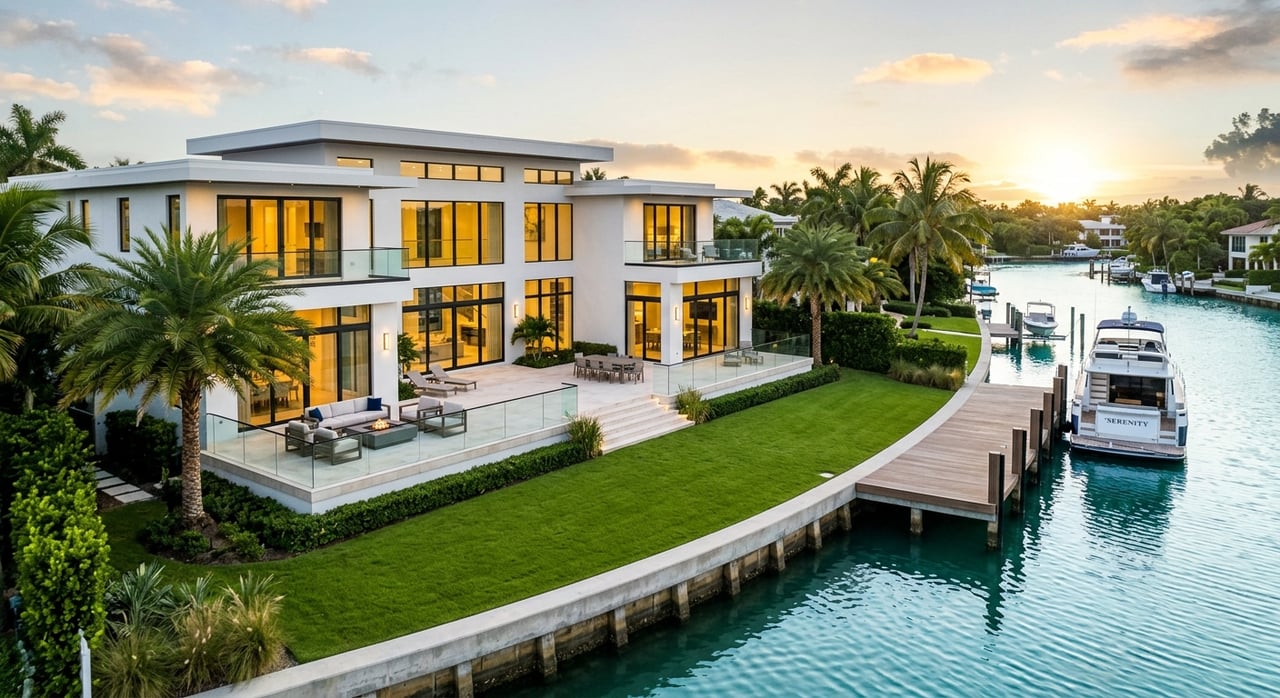
What makes one waterfront estate feel merely expensive while another earns true trophy status? In Port Royal, the difference usually comes down to more than square footage or a designer finish package. If you are buying, selling, or simply trying to understand this rare corner of Naples, it helps to know which features actually drive long-term prestige and value. Let’s dive in.
Trophy status starts with the site
In Port Royal, a trophy property is usually defined first by its site quality. The neighborhood’s identity is deeply tied to waterfront living, and the most sought-after homes pair custom design with an irreplaceable location and ownership-linked amenities. The Port Royal Property Owners’ Association describes the community as a treasured waterfront enclave focused on preserving its integrity and prestige.
That distinction matters because not every luxury home in Port Royal offers the same level of rarity. At the highest end of the market, the property itself is often valuable because of what cannot be replicated: the lot, the water position, the views, and the setting within one of Naples’ most tightly held waterfront neighborhoods.
Lot size shapes rarity
A major part of trophy value in Port Royal is lot scale. According to a City of Naples staff memorandum, the neighborhood includes 568 single-family parcels, with an average lot size of 32,139 square feet, or about 0.7 acres. The same memo notes that 83 lots exceed 1 acre.
That data helps explain why oversized lots, corner lots, and assembled parcels can command major attention. In a market where land is already scarce, a larger footprint can create more flexibility for a custom estate, expanded outdoor living, or a broader long-term vision for the property.
Waterfront quality is not all the same
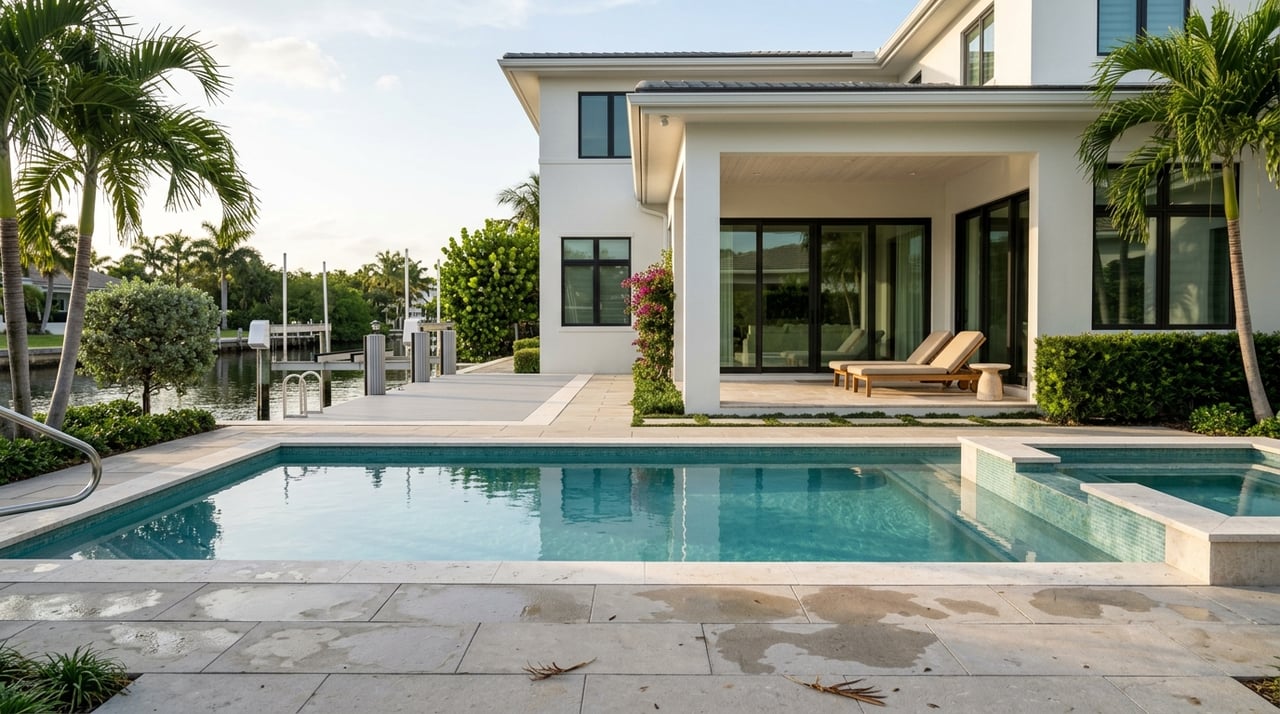
In Port Royal, waterfront is not a one-size-fits-all feature. Some properties have a stronger boating profile, better view corridors, or a more advantageous water position than others. That is one reason seasoned buyers tend to look closely at the exact location of the parcel rather than assuming all waterfront lots offer the same experience.
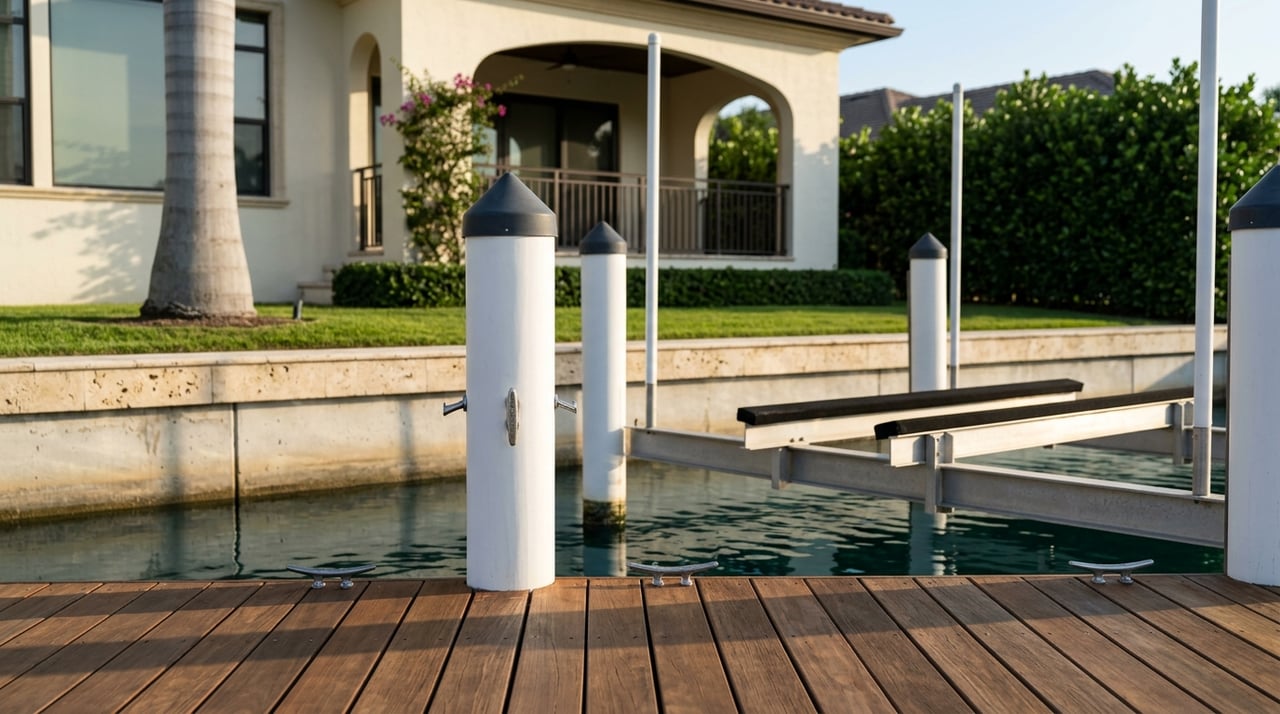
The community’s recorded restrictions make that clear. The Port Royal covenants and restrictions limit seawall height, regulate docks and mooring pilings, and restrict plantings that could materially block waterway views. They also identify only certain coves and channels where mooring pilings are permitted, which shows that waterfront utility can vary from property to property.
Direct water access matters
For many buyers, one of the first questions is whether a home has direct Gulf or Naples Bay frontage, or whether it sits on more secondary canal exposure. Based on the Port Royal history overview, the community was conceived around direct waterfront access, and that heritage still shapes how buyers evaluate location within the neighborhood.
A true trophy property often benefits from a water position that feels both functional and visually exceptional. If a property also supports the boating use you want, that can make it even more compelling.
Protected views add lasting value
View protection is another factor that often separates an elite property from a merely expensive one. In a coastal market, wide water vistas and preserved sightlines can influence both daily enjoyment and future marketability.
Port Royal’s restrictions on plantings and waterfront improvements help reinforce that value. For buyers and sellers alike, this means the best properties are often the ones where the relationship between the home, the lot, and the water has been carefully protected.
Architecture matters in Port Royal
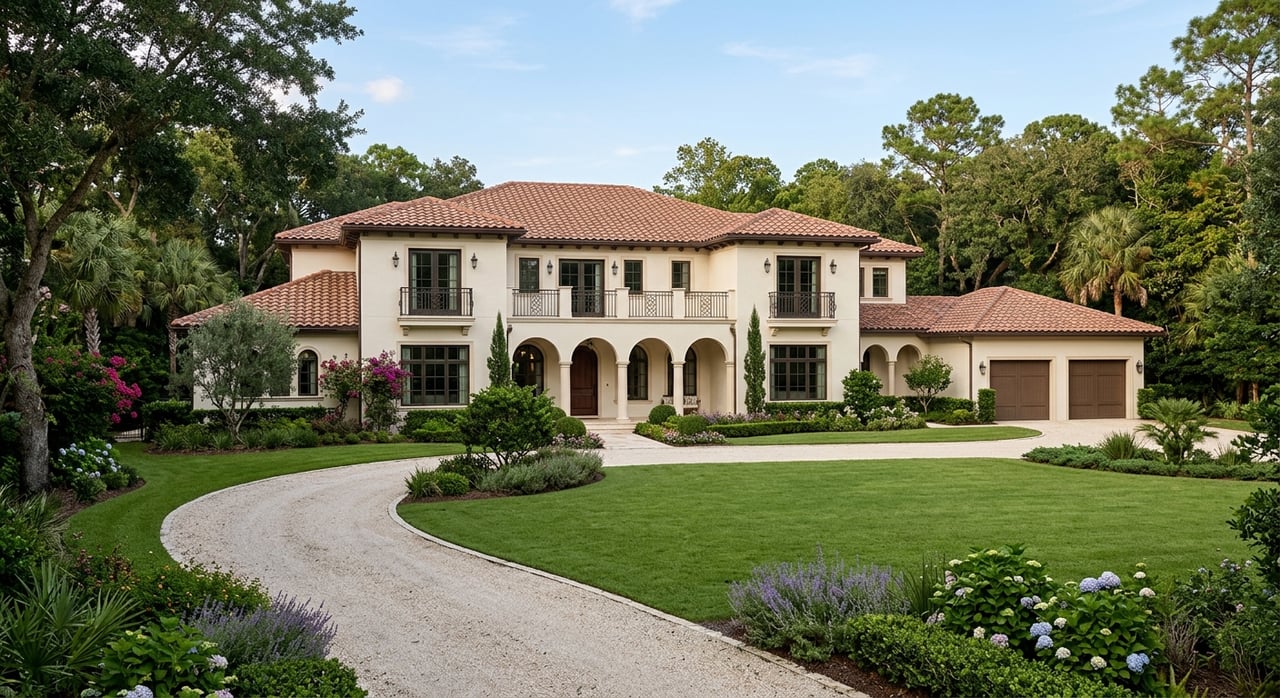
A trophy property in Port Royal is not defined by size alone. It also reflects a certain level of architectural pedigree and design discipline. The neighborhood’s recorded restrictions require written plan approval, allow disapproval on aesthetic grounds, and state that plans must be designed by an architect approved in writing by Port Royal, according to the recorded covenants.
Those same restrictions also establish specific design standards, including a minimum roof pitch, limitations on certain exterior materials, and underground wiring requirements. Taken together, those rules support a controlled visual environment where custom homes tend to feel intentional rather than generic.
Custom design carries more weight
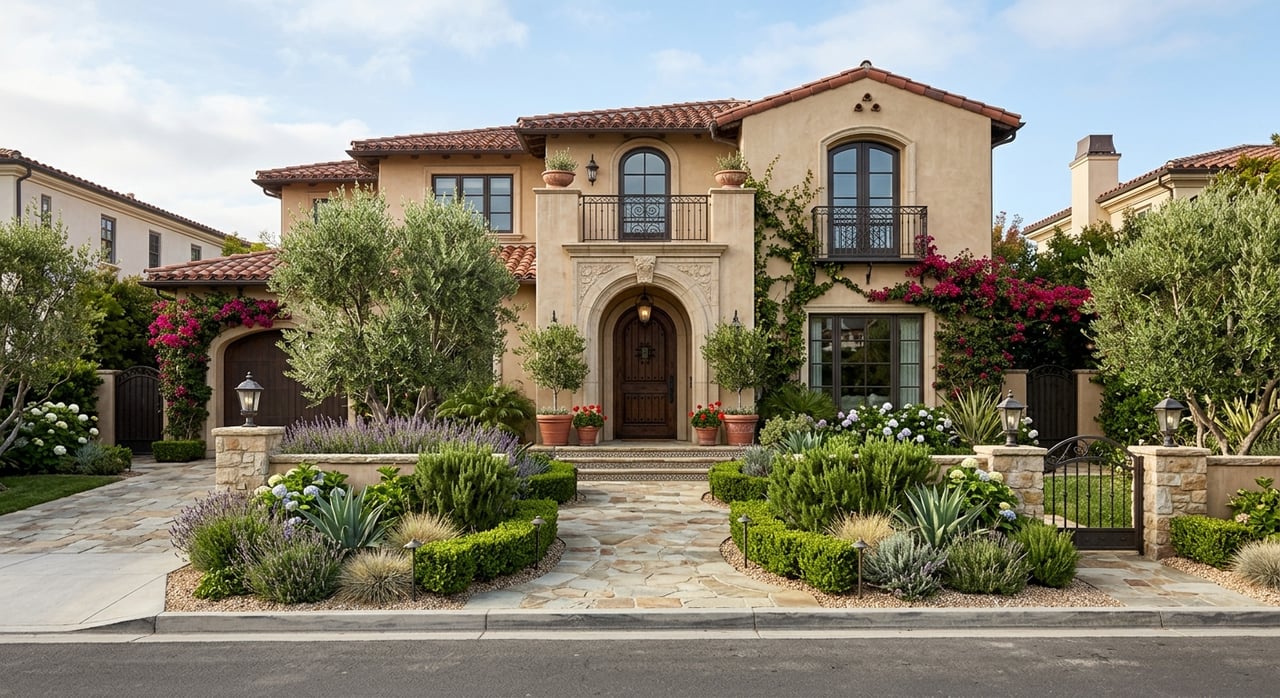
In practical terms, this is one reason the strongest Port Royal homes tend to read as custom estates with a clear design identity. Buyers at this level are often responding not just to luxury finishes, but to how well the architecture suits the site, captures views, and fits the surrounding aesthetic.
That broader design culture is reinforced by the community itself. The Port Royal Club clubhouse brochure describes a timeless, West Indies-inspired design with expansive waterfront vistas, Gulf-view dining, beach-level and upper-level dining, a Sunset Bar, pool cabanas, and beach-access circulation.
Club access strengthens the lifestyle
In Port Royal, trophy value often extends beyond the property lines. The neighborhood’s lifestyle appeal is closely connected to the Port Royal Club, which the club describes as a private members-only beach club with membership tied to ownership of property in Port Royal for eligible homeowners. You can review that directly on the Port Royal Club website.
For many buyers, that ownership-linked access is part of the appeal. The club’s official materials highlight Gulf and beach-view dining, covered outdoor dining, indoor-outdoor gathering spaces, a pool and beach level, cabanas, spa and fitness facilities, tennis, and social spaces.
This matters because the most desirable properties here are often valued as a full lifestyle package. You are not simply evaluating a house. You are evaluating how the site, architecture, and club ecosystem work together.
Market performance shows how rare this segment is
Port Royal’s top tier is unusually thin, and the numbers help show why the word “trophy” is used so carefully. In Douglas Elliman’s Q1 2025 Naples report, Port Royal single-family homes posted an average sales price of $16.89 million, a median sales price of $10.5 million, 9 closed sales, 136 days on market, 195 listings, and 65 months of supply.
Those figures show a market with very limited turnover and highly specialized buyer behavior. In other words, the segment is not only expensive. It is also selective and shaped by one-of-a-kind inventory.
Record sales reveal the top end
At the extreme top of the market, outlier sales have been large enough to affect Naples-wide data. NABOR’s April 2025 market report said two Port Royal transactions, including an $85 million home sale and a $225 million three-parcel purchase, distorted broader pricing metrics across Naples. You can see that in the April 2025 NABOR market report.
That report also supports an important point for buyers and sellers: median pricing is often the better measure of typical market movement when ultra-high-end sales skew the average. It also highlights how parcel assembly itself can become part of trophy value when a buyer is thinking on a compound scale.
Due diligence is part of trophy buying
At this price point, careful due diligence is part of the definition of a smart purchase. Flood designation, elevation, boating configuration, and site restrictions should all be reviewed on a parcel-by-parcel basis rather than assumed based on the address alone.
The City of Naples states that its 2024 Flood Insurance Rate Maps are in effect and encourages buyers to verify a property’s flood zone through the city’s interactive tool or Floodplain Coordinator. For a trophy buyer, that makes flood zone and insurance exposure essential property-specific questions.
Key questions to ask
If you are evaluating whether a Port Royal property truly belongs in the trophy category, start with these questions:
- Does the home have direct Gulf or Naples Bay frontage, or a more secondary water position?
- Does the dock, seawall, and mooring setup align with your boating needs and comply with Port Royal restrictions?
- Is the lot large enough for your long-term plans, or would value depend on future parcel assembly?
- Does ownership provide Port Royal Club eligibility, and how important is that access to your decision?
- Has the parcel’s flood designation been verified through the City of Naples tools?
What sellers should understand
If you own in Port Royal, trophy positioning is about more than presenting your home as large or luxurious. Buyers at this level are often measuring how many top-tier attributes overlap in one property. The strongest listings usually combine site rarity, water utility, view protection, architectural quality, and lifestyle alignment.
That is why pricing, positioning, and marketing strategy matter so much. A property with a superior lot, compelling water orientation, and strong design pedigree may deserve a very different conversation than another home with similar square footage but fewer irreplaceable features.
The bottom line on Port Royal trophy homes
In Port Royal, a trophy property is usually the result of several rare advantages working together. Site rarity, superior water position, protected views, architecturally disciplined design, and club-linked lifestyle access tend to define the homes that stand apart.
If you are buying or selling in this market, understanding those layers can help you make clearer decisions and avoid relying on surface-level comparisons. For tailored guidance on Port Royal and Naples luxury real estate, connect with Kevin L Fuller.
FAQs
What defines a trophy property in Port Royal?
- A trophy property in Port Royal is typically defined by a rare site, strong water position, protected views, custom architect-approved design, and ownership-linked access to the Port Royal Club lifestyle.
Why does lot size matter for Port Royal real estate?
- Lot size matters because Port Royal has a limited number of single-family parcels, and larger lots or assembled parcels can offer greater rarity, flexibility, and long-term appeal.
Does every waterfront home in Port Royal offer the same boating access?
- No. Port Royal restrictions show that docks, mooring pilings, seawalls, and permitted boating features can vary by location, so each waterfront parcel should be reviewed individually.
How important is Port Royal Club eligibility to property value?
- For many buyers, Port Royal Club eligibility is an important part of the ownership experience because it adds private beach club amenities and a broader lifestyle component to the property.
What due diligence should buyers complete on a Port Royal property?
- Buyers should verify flood zone designation, review elevation and insurance considerations, confirm waterfront and dock functionality, and understand the applicable Port Royal covenants and design restrictions.